Brigadier Gerald Hilary Cree CBE DSO
with acknowldgements to The Times
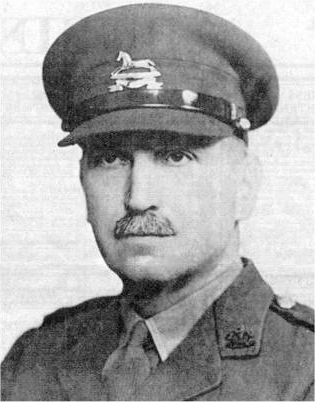 Brigadier G. H. Cree, CBE, DSO, Burma veteran, died on August 21, 1998 aged 93. He was born on June 23, 1905. |
|
GERALD HILARY CREE (he was known variously by one or other of his Christian names, and throughout the Army as "Munshi") succeeded Field Marshal Lord Slim as Colonel of The West Yorkshire Regiment. But the peak of his military achievement was in command of the 2nd battalion of his regiment, then part of Slim's "forgotten" 14th Army, in the Arakan campaign and at the siege of Imphal.
Except for a brief period as Deputy Assistant Adjutant-General of the 11th East African Division during the campaigns in Italian Somaliland and Ethiopia, for which he was mentioned in dispatches, Cree had been with 2nd West Yorkshires from the start of the war. After service in Iraq and Cyprus, he was second in command in the Western Desert during the disastrous battle of the Cauldron, where the battalion was badly mauled by German armour, and back at Ruweisat Ridge before Alamein. At this point, Cree assumed command and took his battalion from the desert to India, en route for Burma.
The plan for the British Arakan campaign of early 1944 saw the introduction of new jungle tactics by Slim: instead of retreating when outflanked by the Japanese, as had been the practice since the defeats in Malaya, troops were to withdraw into specially created strongholds where they were to be supplied by air. Lieutenant-General Sir Philip Christison's XV Corps advanced to capture the port of Akyab, for development of further operations against General Mutaguchi's Japanese 15th Army. In the Arakan from December 1943 Cree's battalion had fought heroically at Maungdaw with the 5th Indian Division. This provided useful experience for the fierce test of the battle of the "Admin box" in February 1944.
Determined to force the British and Indian forces out of the Arakan, Mutaguchi unleashed every man he could throw into battle against Christison's corps. It was essential that 5th and 7th Indian Divisions held the "Admin box", on which continuance of the British offensive depended. The 2nd West Yorkshires were assigned to the defence of Sinzweya, at the eastern end of the Ngakyedauk pass.
(continued...)